Looking for a place that feels connected, convenient, and distinctly local? Falls Church draws many buyers for exactly that reason. If you are wondering what day-to-day life here really feels like, this guide will walk you through the city’s size, housing character, downtown rhythm, and commute advantages so you can decide whether Falls Church fits your next move. Let’s dive in.
Falls Church at a Glance
Falls Church is an independent city in Northern Virginia with a small footprint and a close-in location. It covers about 2.05 square miles and had an estimated population of 15,159 in July 2025.
The city is often called The Little City, and that description fits. You get a smaller-scale setting with tree-lined streets, active civic life, and easy access to Washington, D.C. City Hall is about nine miles from the White House, which helps explain why Falls Church appeals to buyers who want a more compact home base without giving up regional access.
Everyday Life Feels Manageable
One of the biggest draws of Falls Church is how easy daily life can feel. Downtown is small enough to navigate on foot, and the city describes the area as pedestrian- and cyclist-friendly.
Most shops, restaurants, and attractions are within a short 5-to-10-minute walk of one another. Public parking in the downtown area is free, although some residential streets use permit parking rules.
That compact layout gives Falls Church a practical kind of convenience. Instead of feeling spread out, many errands and outings can fit naturally into your day.
A Downtown With Local Energy
Downtown Falls Church is described in city planning documents as dense, walkable, and bicycle friendly. It is centered on unique restaurants and entertainment venues, which helps create a lively but still approachable atmosphere.
If you prefer a downtown that feels active without feeling overwhelming, Falls Church may stand out. You can enjoy dining and local businesses in an area that remains easy to learn and easy to revisit.
Recreation Adds to the Community Feel
The city’s recreation system also shapes what it feels like to live here. Recreation & Parks offers year-round classes, camps, athletic programs, teen and senior programs, special events, and community parks.
The Falls Church Farmers Market is another major part of weekly life. It runs year-round every Saturday and features more than 50 vendors, giving residents a consistent community gathering place throughout the year.
Transit Access Is a Major Advantage
For many buyers, Falls Church stands out because it supports a car-light lifestyle better than many suburban markets. The city says it is served by the East and West Falls Church Metro stations along with bus routes.
It is important to know that neither Metro station is actually inside the city boundary. East Falls Church station is in Arlington, and West Falls Church station is located at 7040 Haycock Road.
That said, nearby rail access still plays a big role in the city’s appeal. If you work in D.C., Arlington, or nearby job centers, this kind of connectivity can make Falls Church feel especially practical.
The W&OD Trail Strengthens Connectivity
The Washington & Old Dominion Trail adds another layer of convenience and lifestyle value. NOVA Parks describes it as a 45-mile paved regional trail, and the city notes that its first segment opened in Falls Church in 1974.
For residents who enjoy biking, running, or walking, the trail supports both recreation and mobility. It also adds to the city’s reputation as a place where you can stay active close to home.
Commute Expectations
Census QuickFacts lists the mean travel time to work at 28.7 minutes. Of course, your actual commute will depend on where you work and how you travel, but that figure gives a useful snapshot of everyday regional movement.
If you are comparing close-in Northern Virginia locations, Falls Church offers a strong balance of access and neighborhood calm. That combination is a big reason buyers keep it on their shortlist.
Housing Has Character and Contrast
Falls Church does not feel uniform from block to block, and that is part of its appeal. The city’s comprehensive plan describes residential neighborhoods as low-density, small-town in character, pedestrian-friendly, and shaped by tree-lined streets, historic homes, and neighborhood parks.
You will find a mix of older homes and newer infill construction. According to the city, there are more than 200 surveyed pre-1930 homes, most residences were built after 1920, and newer homes and renovations have continued since 2000.
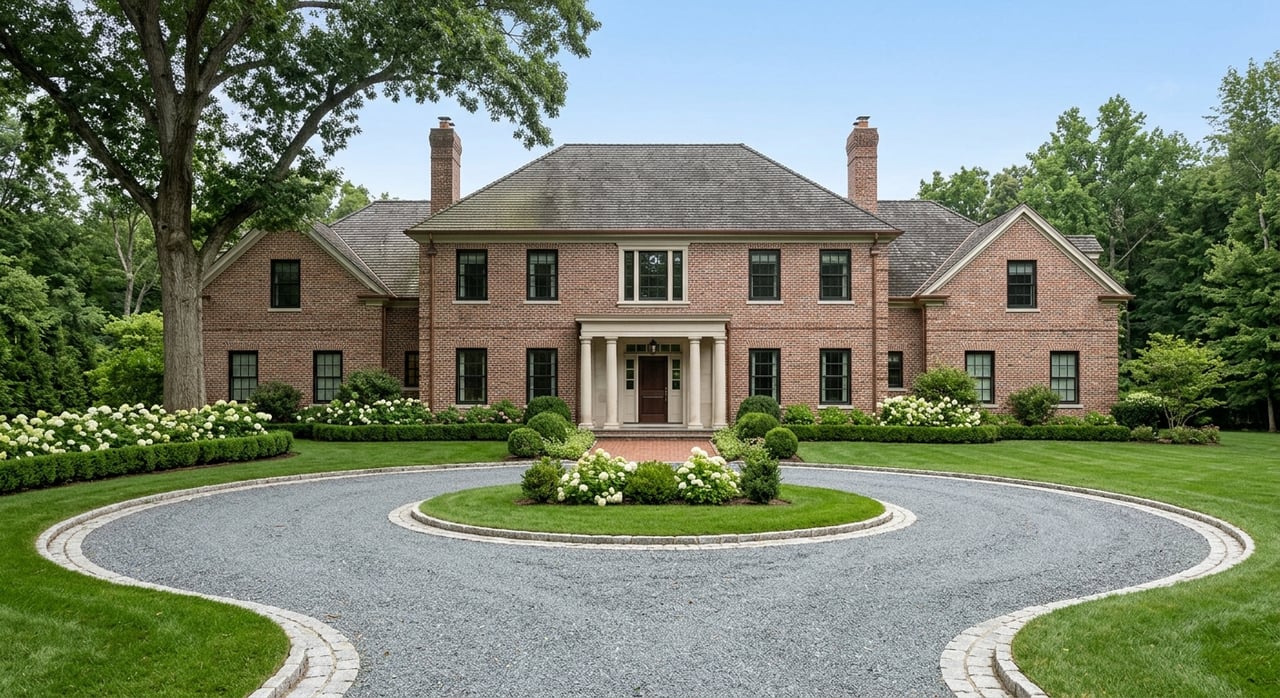
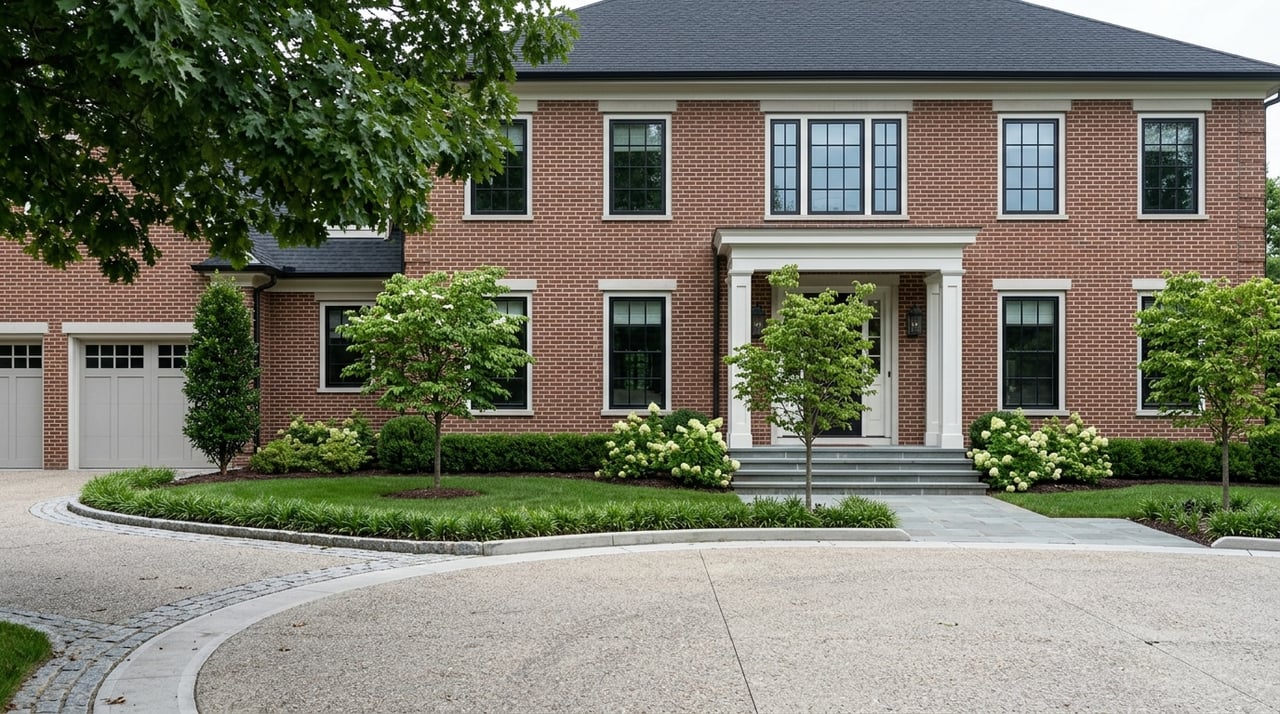
That means your home search here may include very different property types within a relatively small area. Some streets show modest older homes with long-established character, while others reflect replacement construction and larger infill homes on older lots.
Why One Block Can Feel Different
A 2024 city staff report notes that older homes often used modest building coverage, while newer construction used fuller coverage. In practical terms, this helps explain why the feel of one street, or even one side of a street, can shift noticeably.
For buyers, this creates both opportunity and complexity. You may find charm, updated finishes, or newer square footage, but the best fit often depends on how you value lot use, architectural style, and overall streetscape.
Cost Is the Main Tradeoff
Falls Church offers a lot, but affordability is not usually the headline. Census data shows a median value of owner-occupied housing units of $1,055,600.
The same source reports a median gross rent of $2,190 and median monthly owner costs with a mortgage of $4,000+. Those figures place Falls Church well above what many buyers expect in a typical entry-level market.
The owner-occupied housing rate is 52.5%, median household income is $143,262, and 80.5% of residents hold a bachelor’s degree or higher. Together, those numbers point to a high-cost, highly educated market where location and convenience carry a premium.
Local Tax Context Matters Too
The city’s 2026 assessment office reported residential values up 7.2% year over year. The current FY2026 real estate tax rate is $1.185 per $100 of assessed value.
For buyers and owners alike, that makes it important to look beyond list price alone. Your full monthly cost picture should include taxes, financing, and the tradeoff between space, location, and home age.
Who Falls Church Often Fits Best
Falls Church may be a strong match if you want close-in access with a smaller, more grounded feel than some neighboring urban hubs. Buyers coming from D.C. or Arlington often appreciate the combination of nearby transit, a compact downtown, and residential streets that still feel distinctly neighborhood-oriented.
It can also work well if you value walkability and local character more than large lots or abundant brand-new construction. The city’s housing pattern suggests a market where proximity, convenience, and charm often win out over sheer scale.
That said, Falls Church may be less ideal if your top priority is maximum square footage for the price. In a market like this, being clear about your must-haves matters.
What to Keep in Mind Before You Move
If you are considering Falls Church, it helps to think through your daily routine, not just your wish list. Ask yourself how much you value nearby Metro access, a walkable downtown, local recreation, and the flexibility to leave the car parked more often.
Then weigh those benefits against the higher price point and the mixed housing stock. Some buyers fall in love with the city’s scale and convenience right away, while others need to compare whether the tradeoffs line up with their budget and long-term goals.
A thoughtful home search in Falls Church is usually about fit, not just features. When you understand how the city lives day to day, you can make a much more confident decision.
If you are exploring Falls Church or comparing it with other close-in Northern Virginia communities, Gurdeep Mangat offers local market insight and white-glove guidance to help you buy or sell with confidence.
FAQs
Is Falls Church, VA walkable for everyday life?
- Yes. The city describes downtown Falls Church as compact, pedestrian-friendly, and cyclist-friendly, with most shops, restaurants, and attractions within a 5-to-10-minute walk of one another.
Does Falls Church, VA have its own Metro station?
- No. The city is served by the nearby East and West Falls Church Metro stations, but neither station is located within the city boundary.
What kind of homes are common in Falls Church, VA?
- Falls Church has a mix of historic homes, post-1920 housing, and newer infill or replacement construction, so housing style and scale can vary significantly by block.
Is Falls Church, VA expensive compared with other markets?
- Falls Church is expensive by national standards. Census data shows a median owner-occupied home value of $1,055,600, median gross rent of $2,190, and median monthly owner costs with a mortgage above $4,000.
What is the overall feel of living in Falls Church, VA?
- Falls Church offers a small-scale, close-in lifestyle with tree-lined streets, a compact downtown, community recreation, a year-round farmers market, and strong access to the broader Washington region.