If you are selling a luxury home in Potomac, great marketing is not optional. In a high-value market, buyers expect polished presentation, strong pricing logic, and a seamless showing experience from the very first click. When you understand what today’s buyers notice most, you can position your home to stand out and protect its value. Let’s dive in.
Potomac Luxury Marketing Starts With Context
Potomac sits in a distinct price tier within Montgomery County, and that matters when you build a marketing plan. Recent market snapshots show a median sale price around $1.26 million in Potomac, compared with a Montgomery County median residential sale price of $649,705. That gap makes it clear that a Potomac luxury home should be marketed against its direct competitive set, not against countywide averages alone.
The local buyer profile also supports a more elevated strategy. Potomac’s median household income is $236,675, which is well above both Montgomery County and Maryland overall. In practical terms, many buyers in this market expect a higher level of finish, service, detail, and discretion.
At the same time, you should not confuse a strong market with automatic results. Redfin describes Potomac as very competitive, with about 22 days on market and roughly three offers per home in the latest three-month snapshot ending May 2026. Even in a supply-constrained county market, luxury listings still need to justify their price through presentation and positioning.
Premium Presentation Protects Value
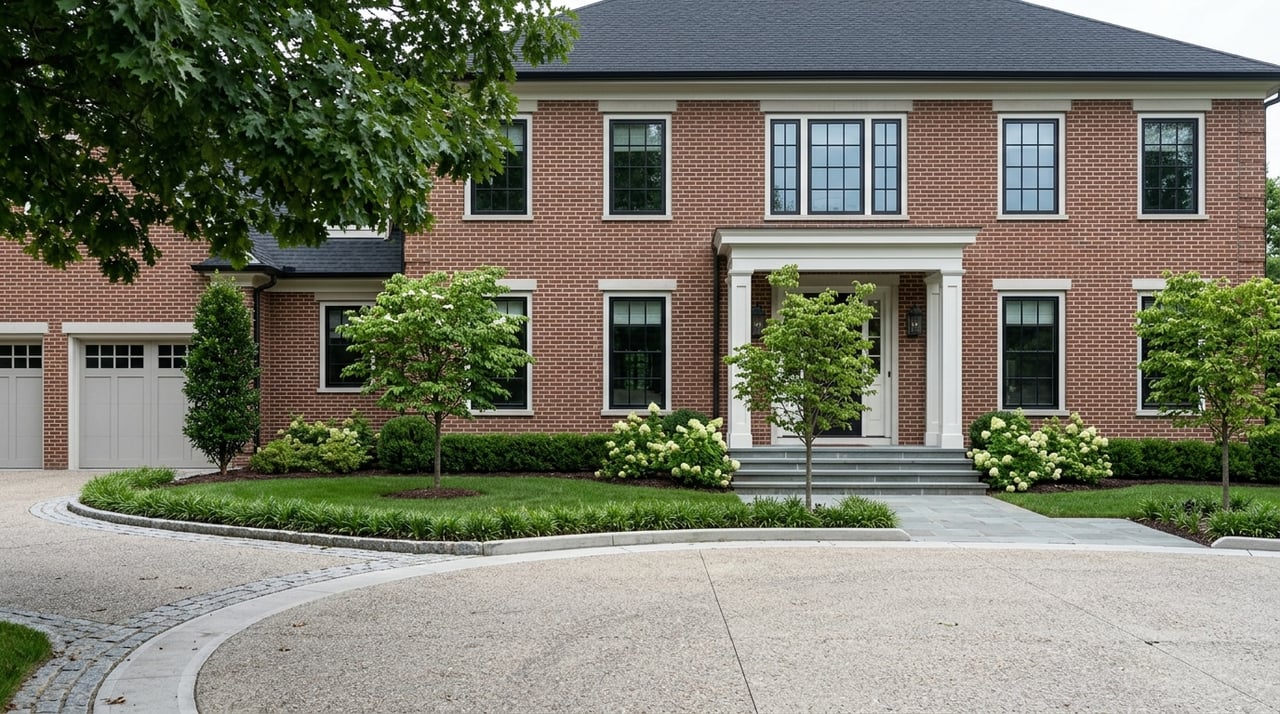
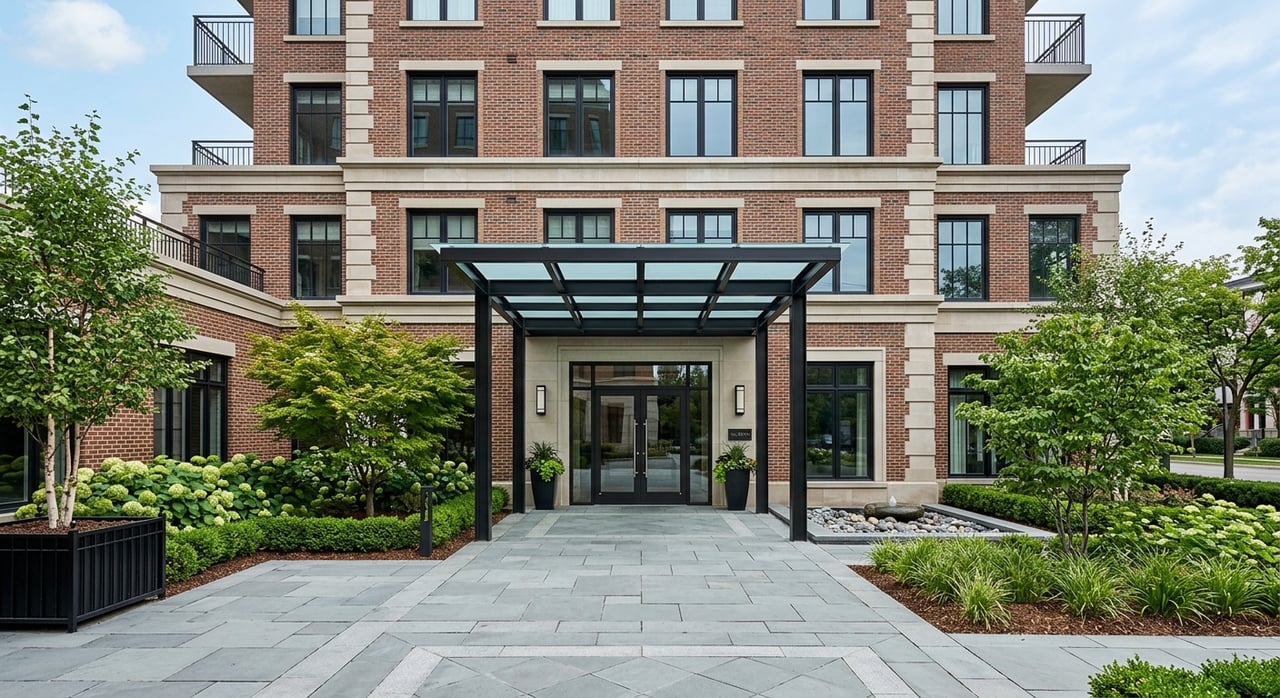
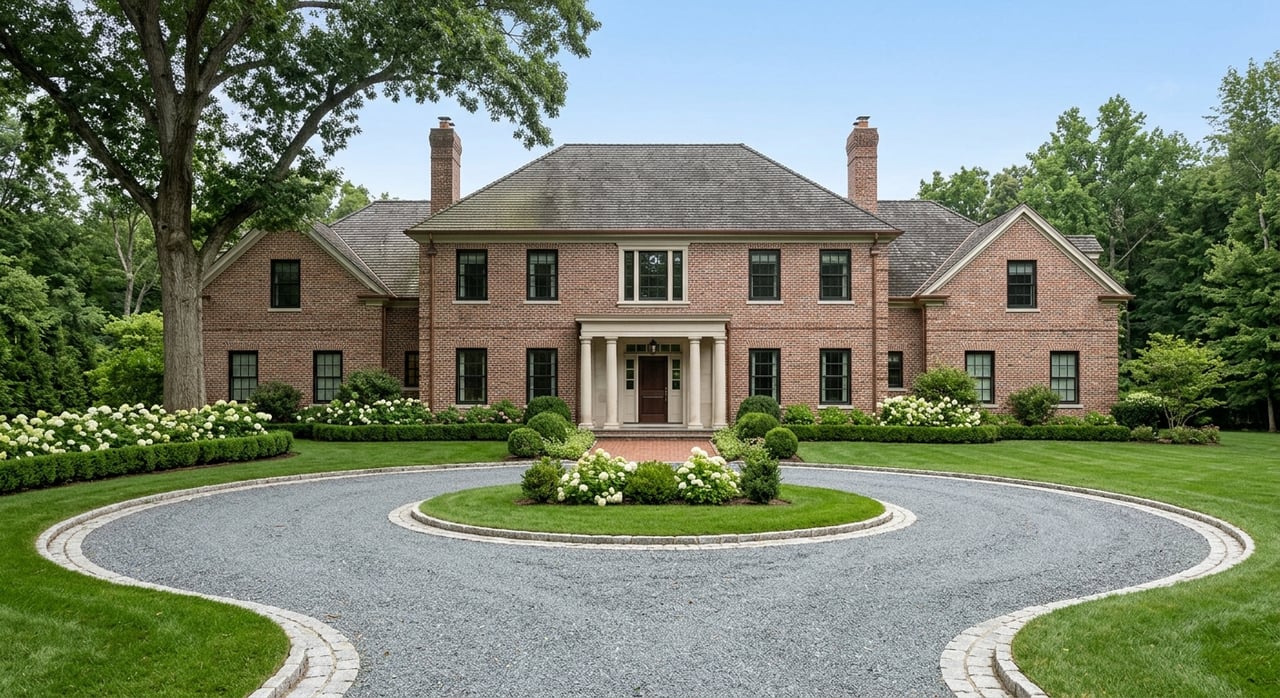
Luxury buyers often decide how they feel about a home before they ever walk through the front door. That is why presentation is one of the most important parts of the marketing process. In a market like Potomac, your home needs to look intentional, refined, and move-in ready online and in person.
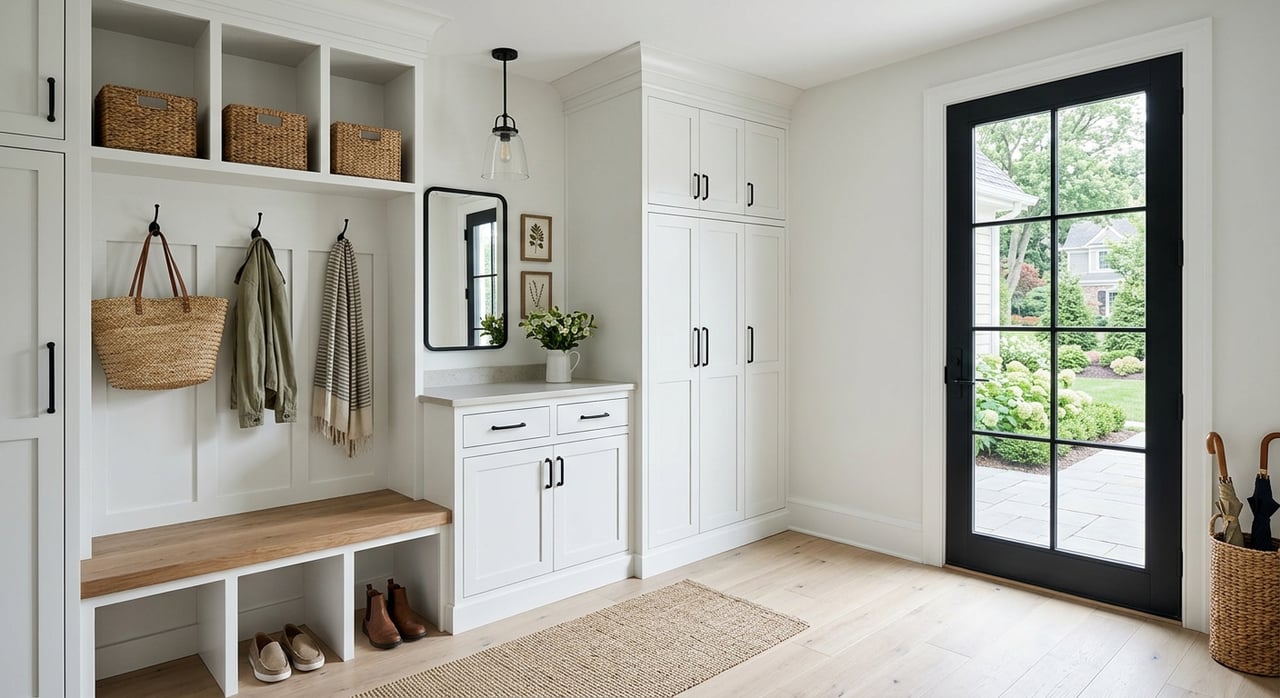
Staging is one of the clearest tools sellers can use to improve that presentation. According to NAR’s 2025 staging survey, 83% of buyers’ agents said staging made it easier for buyers to visualize the property as a future home. The same research found that 29% said staging led to a 1% to 10% increase in the dollar value offered, while 49% of sellers’ agents said staging reduced time on market.
That does not mean you need a major remodel before listing. NAR describes staging as decluttering and styling rather than renovating. For many sellers, that distinction is helpful because the goal is not to change the home completely, but to present its best features clearly and consistently.
Which Rooms Matter Most for Staging
Not every room needs the same level of attention. If you want the highest impact, focus first on the spaces buyers tend to remember most. NAR’s survey found the rooms most often emphasized were the living room, primary bedroom, dining room, and kitchen.
For a Potomac luxury home, those priority rooms often shape the entire first impression. Buyers want to see scale, light, flow, and finish quality. Clean lines, edited décor, and furniture placement that shows function can help buyers understand how the home lives day to day.
A smart staging plan may include:
- Decluttering surfaces and storage areas
- Removing overly personal décor
- Adjusting furniture to improve flow and scale
- Using neutral styling to highlight architecture and finishes
- Refreshing key spaces like the living room, kitchen, dining room, and primary suite
NAR also reports a median cost of $1,500 for professional staging services and $500 when a seller’s agent handles staging. For a luxury listing, that level of investment is often modest compared with the value that presentation can help protect.
Digital Marketing Is the First Showing
Before buyers schedule a tour, they usually meet your home online. That means digital marketing is not just a support piece. It is the first showing.
NAR’s 2024 buyer research found that buyers typically searched for 10 weeks and looked at a median of seven homes, and the first step in the search process was often looking online for properties. Zillow’s 2024 housing trends report found that 94% of buyers used at least one online shopping resource during their home search. If your listing does not impress digitally, many buyers may never take the next step.
Buyers also tell us what matters most online. NAR’s research shows photos were the most useful website feature for nearly nine in ten buyers age 58 and under, while detailed property information mattered across age groups. That means strong visuals alone are not enough. Your listing also needs clear, accurate, compelling information.
What Belongs in a Luxury Listing Package
A Potomac luxury home should launch with a complete digital package that helps serious buyers evaluate the property with confidence. Buyers’ agents rated listing assets as highly important, including photos, traditional staging, videos, and virtual tours. Together, those tools help your home compete before any in-person visit happens.
A strong marketing package should include:
- Professional photography
- Accurate and detailed property descriptions
- Floor plans
- Video content
- Virtual tours
- Thoughtful staging before imaging
This is where white-glove coordination matters. When photography, staging, preparation, and listing copy all work together, the result feels consistent and polished. That consistency helps support your asking price and gives buyers fewer reasons to hesitate.
Use Accurate Images and Clear Disclosure
In luxury marketing, polished does not mean misleading. If virtual staging or photo enhancement is used, NAR advises that materially altered images should be disclosed so buyers receive a true picture of the home. That is especially important in a high-end sale, where trust and expectation management play a major role.
You want buyers to feel excited when they arrive, not surprised. Accurate visuals create a better handoff from online interest to in-person showing. They also help reduce confusion about condition, layout, and finishes.
Private Showings Can Strengthen the Strategy
Not every luxury home benefits from broad public traffic. In Potomac’s upper price points, appointment-only or tightly controlled private showings can be a smart tactic. Because buyers often filter heavily online first, the showing phase can focus more on qualified, serious interest.
That approach can support privacy, preserve the home’s presentation, and create a more tailored experience for prospective buyers. It also allows the showing strategy to reinforce the pricing story rather than distract from it. Sellers consistently say they want an agent who can market the home well, price it competitively, and sell within a specific timeframe, and showings should support those goals.
Private showings may make sense when:
- The home has a higher price point and a narrower buyer pool
- Privacy is important to the seller
- The property shows best in a curated, one-on-one setting
- Online marketing has already done the first round of filtering
Potomac Pricing Requires Potomac Comps
Luxury pricing is not just about square footage or county trends. In Potomac, pricing should be built around nearby comparable homes with similar lot size, renovation level, architectural style, and privacy. That gives buyers and sellers a more realistic frame of reference.
Current listing and sales snapshots show why this matters. Realtor.com reports a median asking price in Potomac of about $1.325 million and about 34 days on market, while Redfin’s recent-sales snapshot shows a median sale price around $1.26 million and about 22 days on market. That difference is a useful reminder that asking strategy and closed-sale reality are not always the same.
A smart pricing conversation should look closely at:
- Recent closed sales in Potomac
- Active competing listings nearby
- Lot size and setting
- Architectural style
- Renovation quality and finish level
- Privacy and overall presentation
When pricing and marketing align, your home enters the market with a clearer value story. That is especially important in a luxury segment where buyers tend to compare details carefully.
Why Execution Matters as Much as Exposure
Luxury home marketing is not only about putting a listing online. It is about coordinating every detail so the home launches strong, shows consistently, and stays aligned with the pricing strategy. In Potomac, where buyers expect a high standard, execution can shape both the pace of the sale and the final outcome.
That is why many sellers benefit from a more hands-on approach. From staging coordination to photography scheduling, contractor oversight, and timing the launch, careful project management helps reduce stress and keeps the process moving. It also helps ensure that no part of the presentation feels rushed or disconnected.
If you want maximum impact, the goal is simple: present the home beautifully, market it thoroughly, and support the price with local evidence. In a market like Potomac, that combination gives your listing the best chance to capture attention and convert it into serious offers.
If you are preparing to sell and want a tailored, high-touch strategy for your Potomac home, schedule a complimentary consultation with Gurdeep Mangat.
FAQs
Which rooms should sellers prioritize when staging a luxury home in Potomac?
- Focus first on the living room, primary bedroom, dining room, and kitchen, since these are the rooms most often emphasized in staging research.
What should a digital marketing package include for a Potomac luxury listing?
- A strong package should include professional photography, detailed property descriptions, floor plans, video, virtual tours, and staging before imaging.
Why are private showings useful for luxury homes in Potomac?
- Private showings can help protect privacy, create a more tailored buyer experience, and focus attention on serious buyers who have already screened the property online.
How should sellers compare their Potomac home to other listings?
- Compare your home to nearby Potomac properties with similar lot size, renovation level, architectural style, privacy, and presentation rather than relying on countywide averages.
What should sellers disclose if listing photos are virtually staged or edited?
- If images are materially altered through virtual staging or significant enhancement, that should be disclosed so buyers get a true picture of the home.