Selling in Fairfax County is not just about putting a sign in the yard and waiting for offers. Even in a market with limited inventory, buyers still compare homes closely, especially online and during the first few days a listing is live. If you want a smoother launch and a stronger first impression, a turnkey prep plan can save time, reduce stress, and help your home stand out. Let’s dive in.
Why listing prep matters in Fairfax County
Fairfax County remains a relatively active seller market, but it is not a market where presentation can be ignored. According to Fairfax County’s January 2026 Economic Indicators report, 2025 home sales totaled 11,780, the average sales price was $883,520, and homes sold in an average of 21 days. In December 2025, active listings totaled 907, which equaled about 1.1 months of supply.
That combination tells you something important. Buyers do not have unlimited options, but they do have enough choice to notice which homes feel polished, well-prepared, and easy to say yes to. A strong launch can help capture attention early, when your listing is freshest.
What turnkey listing prep means
Turnkey listing prep is a coordinated, start-to-finish approach to getting your home ready for market. Instead of managing every detail yourself, you work through a clear sequence that may include a walk-through, repair coordination, staging, cleaning, photography, paperwork gathering, and showing logistics.
For many Fairfax County sellers, this kind of white-glove coordination is especially helpful. Some updates may require permits, some repairs should be handled by properly licensed contractors, and some documents need to be ready before your home goes live. A well-managed process keeps those moving parts from delaying your listing.
Focus on the prep that moves the needle
You do not always need a major renovation to improve buyer perception. In fact, the National Association of Realtors 2025 staging report found that the most common recommendations from seller agents were decluttering, whole-home cleaning, and curb appeal improvements.
That same report found that 29% of seller agents saw staged homes receive a 1% to 10% increase in offered value, and 49% said staging reduced time on market. Buyers’ agents also said photos, physical staging, videos, and virtual tours were important listing elements.
In other words, the basics still matter most. A clean, bright, uncluttered home often does more for your launch than expensive updates that may not be necessary.
Start with decluttering and cleaning
Decluttering helps buyers focus on the home itself rather than your belongings. It can also make rooms feel larger, calmer, and easier to understand in listing photos.
Deep cleaning is just as important. Floors, counters, bathrooms, kitchens, windows, and visible surfaces all affect how buyers interpret overall upkeep. Even a beautiful property can feel less appealing if it does not look clean.
Improve curb appeal first
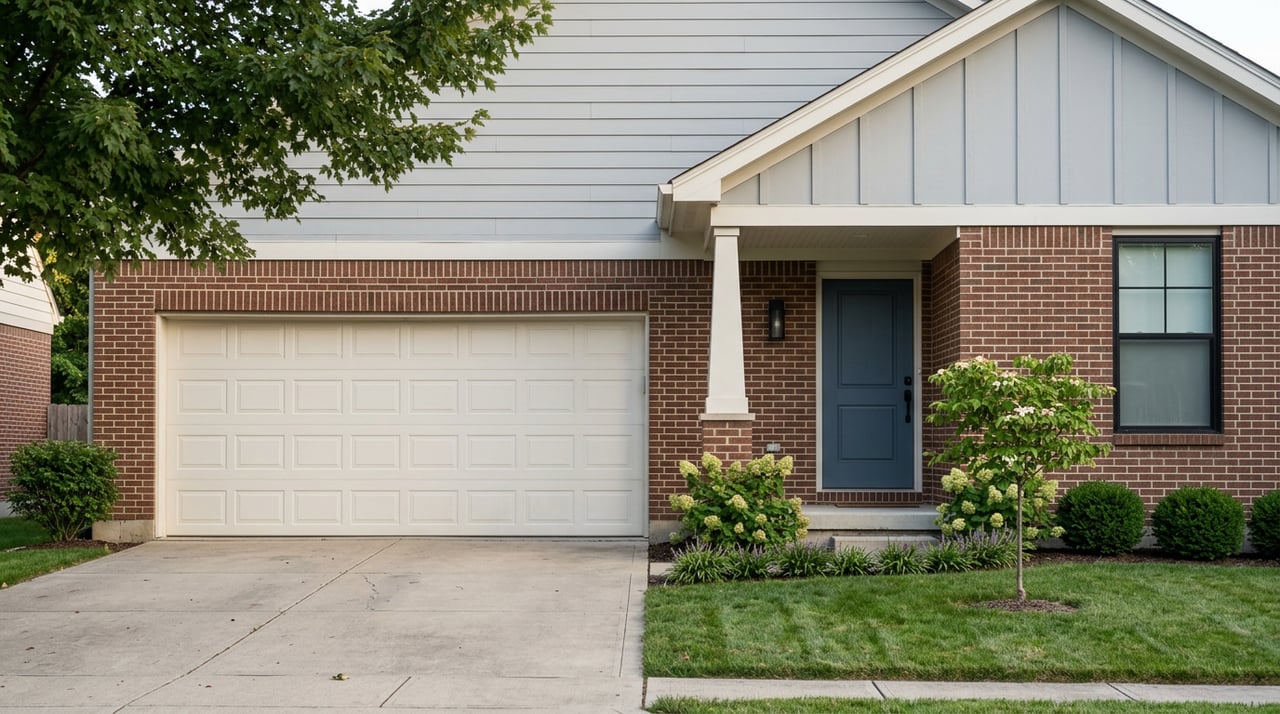
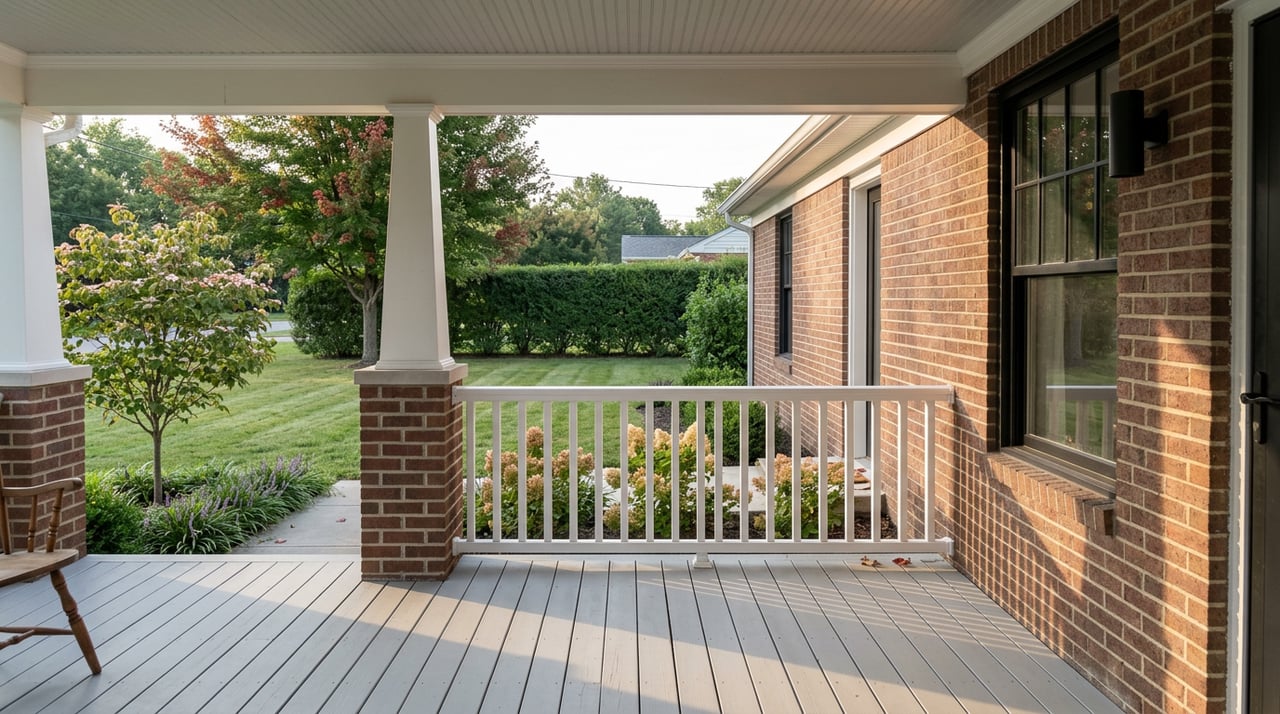
Your exterior sets the tone before buyers ever walk inside. Small improvements like tidying the entry, cleaning up landscaping, and making the front approach look neat can shape the showing experience right away.
Since online photos and in-person visits both start with the exterior, curb appeal deserves early attention. It is one of the simplest ways to improve first impressions without overcomplicating your prep plan.
Stage the rooms buyers notice most
According to NAR, the most commonly staged rooms are the living room, primary bedroom, dining room, and kitchen. Buyers’ agents said the rooms that matter most to buyers are the living room, primary bedroom, and kitchen.
If you are deciding where to invest time and money, start there. Those spaces often carry the emotional weight of the showing and appear heavily in online marketing.
Get photo-ready before marketing starts
Photos are one of the most important parts of your launch. NAR found that buyers’ agents rated listing photos as highly important, with strong value also placed on videos and virtual tours.
That means timing matters. Cleaning and staging should happen before photography, not after. If your home is photographed before it is fully ready, you may miss the impact of those first days on the market.
A polished digital presentation is especially important in Fairfax County, where many buyers narrow their list online before deciding which homes to visit. Strong visuals help your listing compete from the moment it goes live.
Build a simple show-ready routine
One of the best parts of turnkey prep is that you do the heavy lifting once, then maintain the result with a repeatable routine. After your home is photo-ready, it should be easier to keep it showing-ready with a short checklist rather than a full reset every time.
The NAR seller showing checklist recommends practical steps such as:
- Clearing counters
- Wiping visible surfaces
- Neutralizing odors
- Opening window treatments
- Turning on all lights
- Making beds
- Putting away clutter
- Swapping in clean towels
- Keeping pathways clear
- Hiding valuables and medications
- Securing firearms
- Taking pets with you during showings
This kind of checklist is especially useful if you are still living in the home during the sale. It reduces day-to-day stress and makes last-minute showings more manageable.
Know what repairs may require extra planning
Not every pre-listing improvement is simple cosmetic work. Fairfax County notes that building permits may be required for many types of residential work, including kitchen or bath renovations, finished basements, wall removal, decks, additions, roof repairs, electrical and plumbing fixture work, and similar structural changes.
Additional approvals may also be needed in some cases, including work involving floodplain areas, resource protection areas, zoning issues, or VDOT right-of-way conditions. If you are considering repairs or upgrades before listing, it helps to understand early whether the project could affect your launch timeline.
That is one reason many sellers benefit from a coordinated prep plan. Instead of rushing into work that creates delays, you can prioritize improvements that are practical, high-impact, and realistic for your timeline.
Verify contractor licensing
Contractor selection matters too. Fairfax County states that a Home Improvement Contractor license is required for DPOR Class C contractors and for contractors whose work is below the Class C threshold.
If someone is helping coordinate repairs on your behalf, verifying licensing and clarifying permit responsibility before work begins is a smart step. It helps reduce risk and keeps your prep process more organized.
Gather paperwork before it slows you down
Physical prep is only part of a strong listing launch. Your paperwork can also affect timing, especially if you wait until the last minute.
Virginia uses a buyer-beware framework through the Residential Property Disclosure Statement. Owners generally make no representations or warranties about property condition, and buyers are encouraged to perform their own due diligence. At the same time, certain affirmative written disclosures may still be required for issues such as military air installation impacts, pending building or zoning violations, methamphetamine-related history, stormwater facilities, repetitive loss, and certain other conditions.
Lead-based paint rules for older homes
If your home was built before 1978, federal lead-based paint requirements apply. The EPA requires sellers and agents to provide the lead hazard pamphlet, disclose known lead-based paint information and available records, include the Lead Warning Statement, and give buyers a 10-day opportunity for a lead inspection or risk assessment unless the parties agree otherwise.
This is not something to leave until a contract is already in motion. Preparing these materials early can help the transaction move more smoothly.
HOA and condo resale documents
If your property is part of an HOA, condominium, or common interest community, Virginia law requires the seller or seller’s agent to obtain a resale certificate from the association and provide it to the purchaser. The association generally must deliver the certificate within 14 days of the request.
That timeline alone can affect your launch or contract process if you are not prepared. For condo and HOA sellers in Fairfax County, this is one of the most common paperwork items to request early.
What a turnkey prep timeline often includes
A smooth prep process usually follows a logical order. While every home is different, the workflow often looks like this:
- Initial property walk-through and strategy
- Prioritized list of repairs and presentation updates
- Contractor coordination for light touch-ups or approved work
- Decluttering, cleaning, and staging
- Professional photography, video, and digital asset creation
- Disclosure and document gathering
- Show-ready setup and listing launch
This kind of structure is especially helpful if you are relocating, managing a sale from out of the area, or balancing a busy household. It turns a long to-do list into a managed sequence.
The goal is not perfection
Many sellers assume they need to fix everything before they list. In reality, that is not always necessary. The bigger priority is addressing the issues that shape first impressions, affect functionality, or distract buyers during showings.
Visible maintenance concerns, clutter, poor lighting, odors, and unfinished presentation details are often more urgent than full-scale upgrades. A thoughtful prep strategy helps you focus where it counts.
Why guidance matters for Fairfax County sellers
Fairfax County sellers are often balancing market timing, home prep, disclosure requirements, and day-to-day life all at once. A high-touch approach can make that process more efficient and much less stressful, especially when your goal is a polished launch without unnecessary delays.
If you want a listing strategy that combines premium presentation with hands-on coordination, Gurdeep Mangat offers white-glove support designed to help you prepare, market, and launch your home with confidence.
FAQs
What does turnkey listing prep mean for Fairfax County home sellers?
- It means using a coordinated process to prepare your home for market, often including walk-through planning, light repairs, staging, cleaning, photography, paperwork gathering, and showing logistics.
What listing prep tasks matter most before selling a home in Fairfax County?
- According to NAR, the most common high-impact tasks are decluttering, cleaning the entire home, improving curb appeal, and staging key rooms like the living room, primary bedroom, and kitchen.
Do all home repairs need to be completed before listing in Fairfax County?
- No. The biggest priorities are usually visible maintenance issues, obvious functional problems, and presentation concerns that affect first impressions.
When do permits matter for pre-listing home improvements in Fairfax County?
- Permits often matter for projects such as kitchen or bath renovations, basement finishing, wall removal, decks, additions, roof repairs, and some electrical or plumbing work.
What paperwork can delay a home sale in Fairfax County?
- Common items include HOA or condo resale documents, lead-based paint disclosures for pre-1978 homes, and any required Virginia affirmative disclosures.
Why should Fairfax County sellers wait to schedule photos until after staging and cleaning?
- NAR reports that buyers’ agents place high importance on photos, videos, and virtual tours, so your home should be fully cleaned and staged before marketing assets are created.