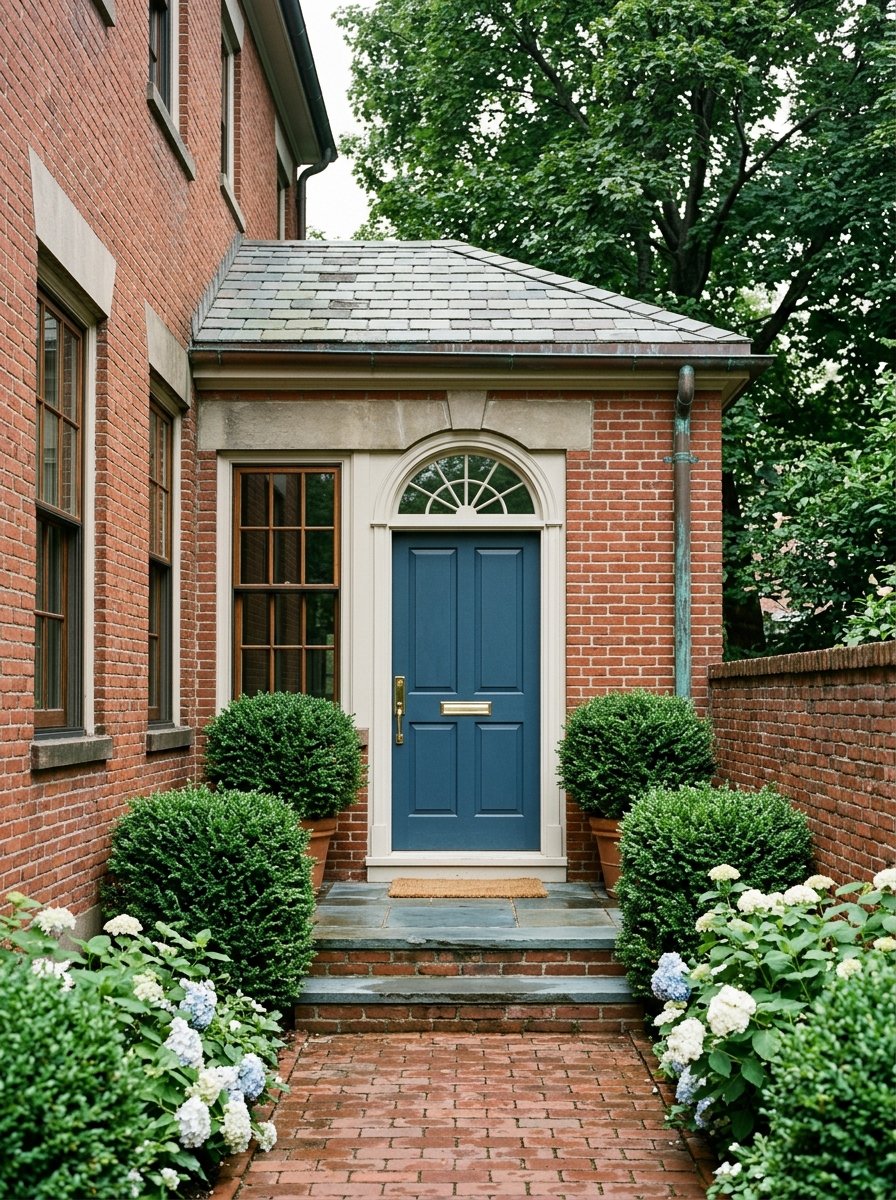
Thinking about buying a historic home in Alexandria? It can be an exciting way to own a piece of the city’s past, but it also comes with extra layers of research, planning, and upkeep. If you love original architecture, walkable streets, and homes with real character, this guide will help you understand what to look for before you buy. Let’s dive in.
Why Alexandria historic homes stand out
Alexandria has one of the most distinctive historic housing inventories in the region. According to the city, more than 200 structures were built before 1820, with many located in Old Town. Alexandria also notes that only a small number of U.S. communities have as many surviving examples of Georgian and Federal period architecture.
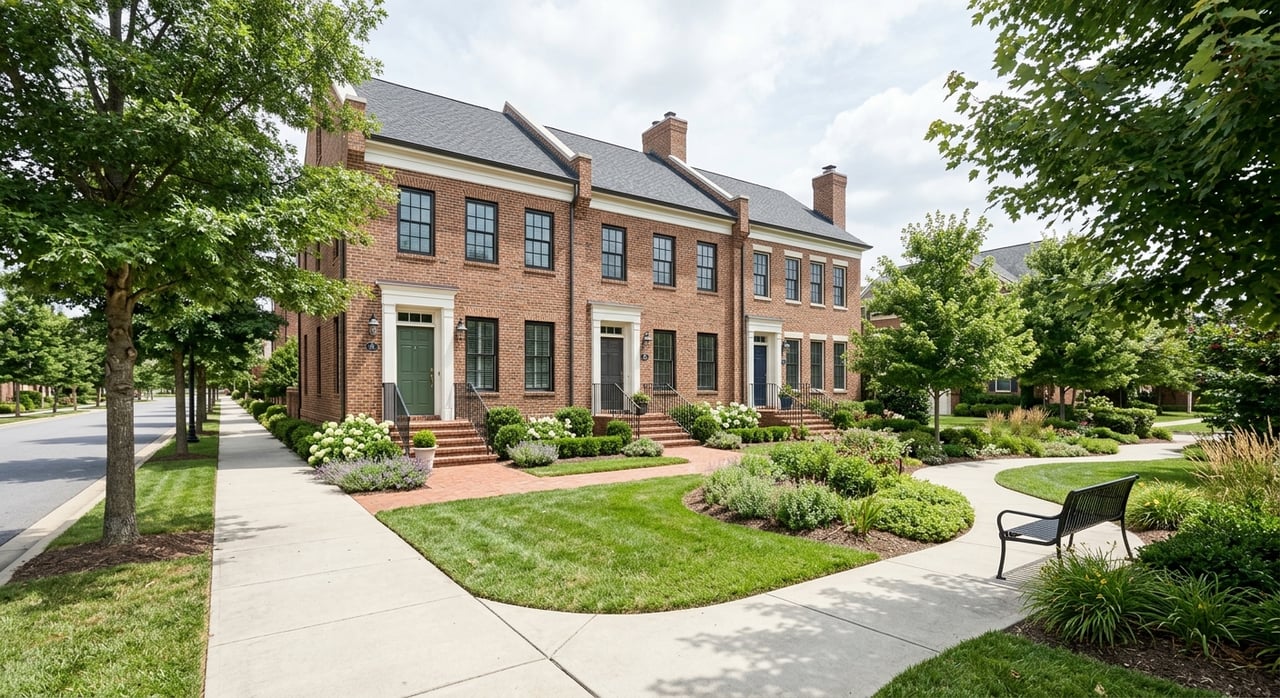
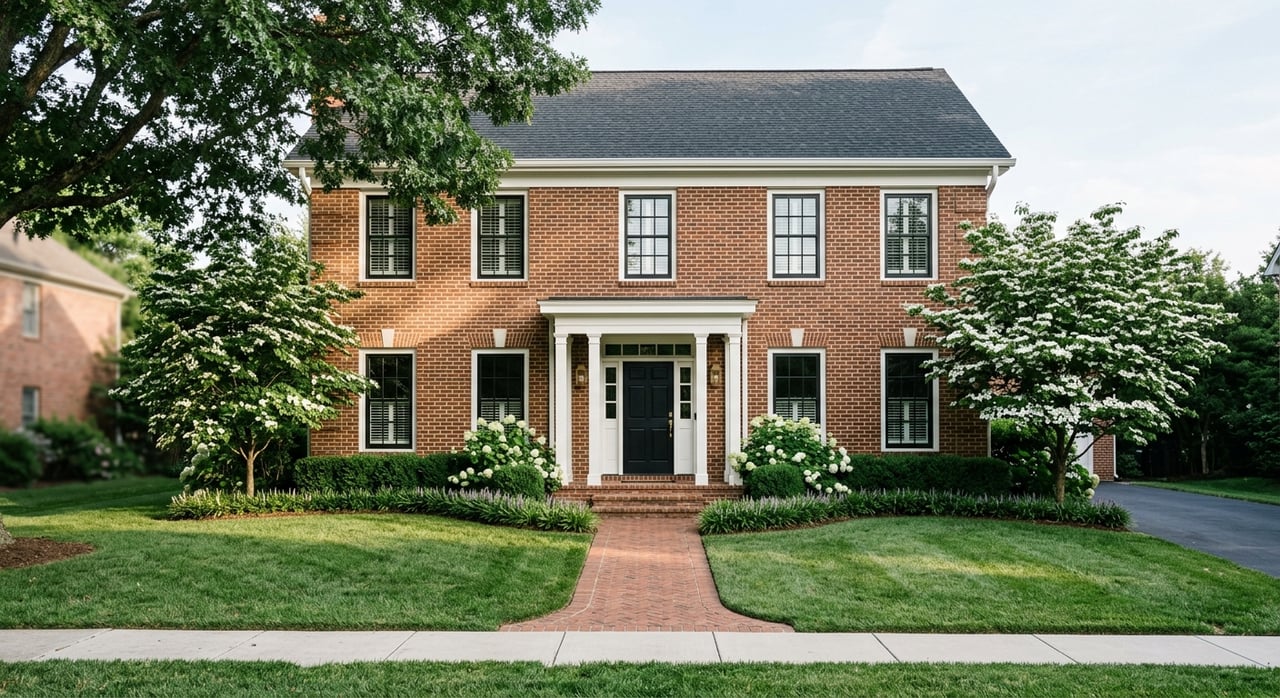
That history shows up in the streetscape and in the variety of homes you may see during your search. While many buyers picture brick townhouses in Old Town, Alexandria’s historic housing stock is broader than that. You may also come across Greek Revival, Queen Anne, Richardsonian Romanesque, Colonial Revival, Craftsman, and Arts and Crafts homes depending on the area.
Know which historic status applies
Before you focus on finishes or floor plans, confirm how the property is classified. In Alexandria, local historic district boundaries differ from National Register boundaries, so a home’s age alone does not tell you whether it is subject to local review.
The city identifies several categories buyers should verify early:
- Local historic district status
- National Register district status
- One Hundred-Year-Old Building designation
- Whether the home is a contributing historic structure under the applicable program
This matters because a house can look historic without being locally regulated. Alexandria states that National Register districts are not regulated by the city’s Historic Preservation department unless the property is also in a local district or designated as a One Hundred-Year-Old Building.
Understand Alexandria review rules
If you plan to update a historic home, exterior rules are one of the biggest practical considerations. In Alexandria’s local historic districts, the Board of Architectural Review, or BAR, must approve new construction and exterior alterations that are visible from a public right of way.
That review can affect common projects such as:
- Window changes
- Door replacements
- Roof work
- Masonry repairs
- Chimney work
- Siding updates
- Fence and wall changes
- Stoops and railings
- Skylights
- Solar energy systems
Interior work generally does not require BAR approval. For many buyers, that creates a useful balance. You may have more freedom to modernize kitchens, baths, and interior layouts while preserving the exterior character that gives the home its appeal.
Timing also matters. Alexandria says BAR hearings are typically held on the first and third Wednesday of each month except August, and complete applications must be submitted at least 30 days before the hearing date. If your purchase plan depends on exterior changes, build extra time into your budget and timeline.
Inspect older-home systems carefully
Historic homes can be beautiful, but they often need more careful due diligence than newer construction. Alexandria’s preservation guidance highlights the exterior components that often drive maintenance decisions, which gives buyers a good roadmap for inspection priorities.
Pay close attention to these areas during your inspection period:
- Roof condition and drainage
- Masonry and mortar integrity
- Chimney stability
- Windows and doors
- Siding condition
- Stoops, railings, fences, and walls
These items can affect both short-term repair costs and long-term maintenance planning. In older masonry homes especially, repair methods may need to match the original materials and appearance more closely than in a newer property.
Plan for lead and asbestos risks
In Alexandria’s oldest housing stock, health and safety due diligence matters just as much as aesthetics. The EPA says the older the home, the more likely it is to contain lead-based paint, and it reports that 87% of homes built before 1940 have some lead-based paint.
That does not mean every older home is unsafe, but it does mean you should approach renovations carefully. If you plan to scrape, sand, replace windows, remove trim, or open walls, lead-safe planning is important.
Asbestos is another concern in older homes. The EPA says asbestos fibers can be released during maintenance, repair, remodeling, or demolition when asbestos-containing materials are disturbed. Even if a home looks updated on the surface, testing and professional guidance may be worth considering before renovation work begins.
Check flood exposure before you buy
Flood risk is one of the most important location-specific issues for buyers in Alexandria. The city says about 20% of Alexandria is mapped as floodplain, and its current flood hazard maps became effective on January 11, 2024.
This is especially relevant in parts of Old Town due to the city’s low elevation and proximity to the Potomac River. Alexandria also notes that most homeowner’s insurance policies do not cover flood damage, although flood insurance is available through the National Flood Insurance Program even outside a FEMA flood zone.
Alexandria participates in the NFIP Community Rating System as a Class 6 community, which may make homeowners eligible for up to a 20% discount on flood insurance premiums. That can help with costs, but it should not replace a property-specific review of flood exposure, elevation, drainage, and insurance needs.
Ask about drainage and sewer backup
Flooding is not the only water-related issue to consider. Alexandria notes that Old Town has combined sewers and that sewer backups can occur during heavy rain.
For buyers, that means it is smart to ask detailed questions about the property’s drainage history, any prior water intrusion, and whether backflow prevention measures are already in place. If you are comparing homes in similar price ranges, these practical details can make a meaningful difference in future ownership costs and peace of mind.
Factor in archaeology and site work
If you are buying a historic property with plans for an addition, major landscaping, or excavation, Alexandria’s archaeological sensitivity should be part of your planning. The city says 72% of Old Town land has potential for archaeological resources, and many properties contain artifacts and older foundations.
That does not mean site work cannot happen. It does mean your timeline and budget may need more flexibility if your plans involve digging or substantial changes to the site. Buyers who understand this early are better prepared to make realistic renovation decisions.
Balance charm with everyday livability
Historic homes often deliver a level of character that is hard to replicate. Alexandria treats preservation as part of the city’s identity and an economic and cultural asset, which supports the idea that historic character is more than a style preference. It can also be a meaningful market feature.
Still, charm and convenience do not always line up perfectly. Many older Alexandria townhouses sit on narrow urban lots and have compact, vertical floor plans rather than large open layouts. If you want defined rooms, architectural detail, and a close-in location, that may feel like a great fit. If you want wide-open living spaces and minimal upkeep, a different type of home may suit you better.
Consider renovation flexibility early
For many buyers, the best historic-home strategy is to separate what can change easily from what may take more time. In Alexandria, interior updates are generally easier from a preservation standpoint than visible exterior changes.
That can work in your favor if you are open to improving kitchens, baths, lighting, storage, or comfort systems over time. A home with strong original exterior character and a less-updated interior may offer an opportunity to create a more tailored living experience while staying within Alexandria’s preservation framework.
Explore tax credit potential
If you are considering a substantial rehabilitation, tax credits may be worth exploring early. Virginia’s Historic Rehabilitation Tax Credit program, administered through the Department of Historic Resources, offers a 25% credit on eligible rehabilitation expenses and is available for both owner-occupied and income-producing buildings.
There is also a federal rehabilitation credit of 20%, but it applies only to income-producing properties that qualify as certified historic structures. Alexandria buyers should not assume a property qualifies just because it is old or located in a National Register district. Certification status and project standards matter, so it is smart to check eligibility before finalizing your renovation scope or contractor bids.
Who a historic home fits best
A historic home in Alexandria can be a strong match if you value architecture, location, and a sense of place. These homes often appeal to buyers who are comfortable budgeting for ongoing maintenance and who understand that visible exterior changes may involve a slower approval process.
On the other hand, if your top priorities are maximum exterior flexibility or a very low-maintenance property, a less regulated home may be a better fit. The key is not whether a historic home is good or bad. It is whether it matches the way you want to live and the way you want to manage your investment.
Buying a historic home in Alexandria is rarely a simple plug-and-play purchase, but that is also part of the appeal. With the right due diligence, clear expectations, and thoughtful planning, you can buy a home that offers both everyday function and lasting character. If you want expert guidance on evaluating Alexandria homes, comparing tradeoffs, and managing the process with confidence, schedule a complimentary consultation with Gurdeep Mangat.
FAQs
What makes a home historic in Alexandria?
- A home may be considered historic because of its age, location in a historic district, One Hundred-Year-Old Building designation, or status as a contributing historic structure, but these categories do not all carry the same review requirements.
Do Alexandria historic homes require approval for renovations?
- In Alexandria local historic districts, visible exterior alterations and new construction generally require Board of Architectural Review approval, while interior work generally does not.
What should buyers inspect in an Alexandria historic home?
- Buyers should pay close attention to roofs, masonry, chimneys, windows, doors, siding, drainage, and other exterior elements that often drive maintenance and repair decisions in older homes.
Is flood risk important when buying in Old Town Alexandria?
- Yes. Alexandria says about 20% of the city is mapped as floodplain, and Old Town’s low elevation and proximity to the Potomac River make flood exposure an important part of due diligence.
Are tax credits available for Alexandria historic-home renovations?
- Virginia offers a 25% Historic Rehabilitation Tax Credit on eligible rehabilitation expenses, and a separate 20% federal credit may apply to qualifying income-producing certified historic structures.
Are Alexandria historic homes a good fit for every buyer?
- Not always. They tend to work best for buyers who value architectural character, can plan for ongoing upkeep, and are comfortable with added review for visible exterior changes.