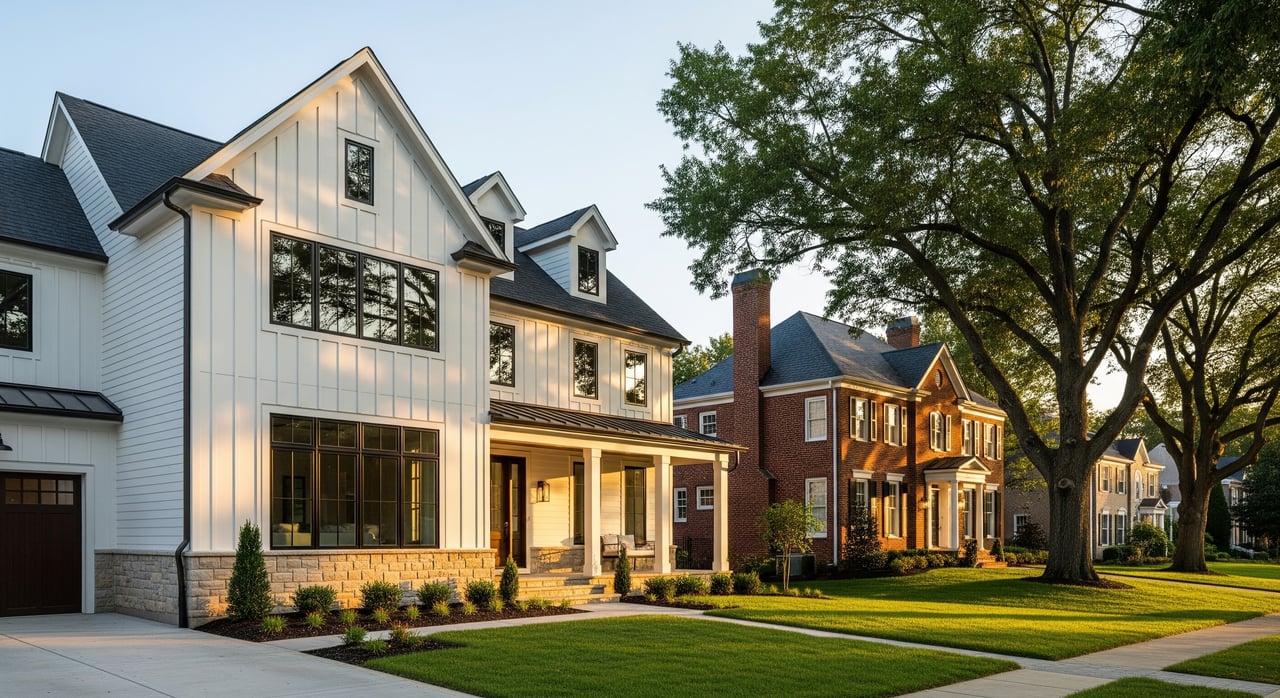
Torn between a brand-new build and a charming resale in Waldorf? You are not alone. With many residents commuting up US-301 or MD-5 toward the D.C. area, timing, monthly costs, and future resale all matter. In this guide, you will learn the key differences in timelines, financing and incentives, HOA fees, inspections and warranties, and long-term value. You will also get two practical checklists you can use on your next tour. Let’s dive in.
Waldorf context at a glance
Waldorf is a major hub in Charles County, about 20 to 35 miles from Washington, D.C. Many buyers balance commute considerations with neighborhood amenities and overall value. Major routes include US-301 and MD-5, with access patterns that can shape your daily routine. Local planning and utility details are available through the Charles County Government.
In Waldorf, you will find a mix of new planned communities and established neighborhoods. New sections often offer modern floorplans and amenities, while older areas can feature larger lots and mature landscaping. Your best fit depends on how you weigh convenience, character, and carrying costs.
New vs. resale quick take
New construction pros
- Modern layouts and energy efficiency
- Builder warranties and lower near-term maintenance
- Personalization options if you buy early
New construction cons
- Longer move-in timeline unless it is a finished spec home
- Higher total cost once upgrades and lot premiums are included
- Early HOA phases often under builder control, which can mean growing pains
- Incentives may require using the builder’s lender or title company
Resale pros
- Often lower price per square foot
- Established neighborhood character and landscaping
- Shorter closing timelines with clear comparable sales
Resale cons
- Potential deferred maintenance and capital expenses
- Older systems and lower energy performance
- Inspection findings can add negotiation complexity
Timelines and move-in planning
New construction timing
For a new home, plan on roughly 6 to 12 months from contract to closing if you are building on a lot or customizing finishes. A finished or near-finished spec home can shorten your move to a few weeks or a couple of months. Ask the builder to spell out weather, material, and change-order contingencies so you know what could shift your target date.
Resale timing
A typical resale purchase closes in 30 to 60 days, depending on financing and inspections. In competitive moments, cash or streamlined financing can shorten this window. If timing is critical, a resale or a ready new-home inventory property can be your fastest path.
Financing, incentives, and true cost
How new build loans differ
New construction can involve a construction-to-permanent loan that funds draws during the build, then converts to a standard mortgage at completion. Some projects qualify for conventional, FHA, or VA loans, depending on lender and builder requirements. For a clear overview of structures and costs, review the CFPB’s guidance on new construction mortgages.
Builder incentives to evaluate
Builders often offer closing cost credits, rate buydowns, discounts on upgrades, lot premium reductions, or promotions on spec homes. These incentives can be valuable, yet they often require using the builder’s preferred lender or title company. Credits may appear differently on the contract versus closing statements, so verify the net effective price and compare an offer with incentives to one without to see the true trade-offs.
Price structure for new homes
Expect a base price plus lot premium, upgrades, and possible site or delivery charges. Impact fees may apply in some cases. Ask for a detailed build sheet and an allowance schedule so you know exactly what finishes are included and which upgrades are extra.
Deposits and cash flow
New construction usually requires larger deposits at contract and additional milestone deposits as work progresses. Resale purchases typically involve an earnest money deposit with standard contingency periods for inspection, appraisal, and financing. Match your cash reserves and comfort level to the deposit structure that fits your plan.
HOA, amenities, and monthly costs
Builder-controlled phases and dues
Many new communities in Waldorf launch with the HOA under builder control. Review the governing documents, the current budget, planned amenities, and the timeline for transferring control to residents. The Community Associations Institute offers helpful background on HOA structure and responsibilities.
What fees usually cover
HOA dues in this area can range from modest to higher amounts, based on amenities such as clubhouses, pools, landscaping, private road maintenance, trash service, or snow removal. Ask for the fee schedule and what is included, plus any planned special assessments or capital projects.
Reserve funding and assessments
Early-phase HOAs sometimes have low initial dues and limited reserves. This can increase the chance of special assessments to fund infrastructure or complete amenities. Ask for a reserve study or capital plan. If none exists, consider that a risk factor to price and budget accordingly.
Services and risk checks
Confirm whether the property is on public sewer or a private system, and review local stormwater and flood designations. You can verify flood zones through the FEMA Flood Map Service Center and review local utility and planning details with the Charles County Government.
Inspections, warranties, and condition
New construction inspections and warranties
Most builders conduct a pre-delivery orientation and final walkthrough to address punch-list items. Consider hiring an independent inspector for staged reviews, such as pre-drywall and final. The American Society of Home Inspectors outlines standards that can guide your scope. New homes typically include a 1-year workmanship warranty, a 2-year systems warranty, and a longer structural warranty, often through providers like 2-10 Home Buyers Warranty. Clarify the claim process and response times.
Resale inspections and common add-ons
A standard home inspection covers structure, roof, HVAC, plumbing, electrical, and interior and exterior components. For older homes, consider a termite inspection, radon testing, and a sewer scope if the lateral is older. Maryland encourages radon awareness, and the Maryland Department of the Environment provides guidance. For pre-1978 homes, follow federal and state rules regarding lead-based paint disclosures and testing.
Negotiation pathways
With resale homes, inspection results can lead to price adjustments, repair requests, or seller credits. With new construction, the typical remedy is a warranty repair instead of a price change. Choose the path that aligns with your appetite for maintenance and your timeline.
Resale value and exit strategy
Resale value in Waldorf, as in most markets, comes down to location, lot, layout, condition, and comparable sales. New homes can command a premium for efficiency and low maintenance. Older homes can outperform when lot size, curb appeal, and neighborhood character stand out. If you plan to hold the home only a few years, the low-maintenance appeal of new construction can be helpful. If you enjoy renovating and see value in a larger lot or unique features, a resale may offer upside.
Model-home tour checklist
Use this list to separate marketing from actual inclusions and timelines:
- Confirm what is standard versus upgraded in the model. Request a detailed build sheet and allowances.
- Visit the lot at different times to gauge natural light and traffic noise.
- Review lot orientation, grading, and stormwater flow. Ask about soil controls and erosion plans.
- Ask about the lot premium, projected HOA dues, amenity plans, and the date for HOA control transfer.
- Clarify warranty coverage, response times, and who handles repair requests.
- Review lender and title incentives and whether incentives require those providers.
- Request the construction schedule and the average time to close on similar homes.
- Consider booking an independent inspector for a pre-drywall and final inspection.
Resale preview checklist
Bring this list to your first visit and follow-ups:
- Drive the neighborhood at rush hour, evenings, and weekends to check patterns and noise.
- Exterior scan: roof age and condition, gutters, siding, foundation, and grading that moves water away from the home.
- Interior scan: signs of moisture, floor squeaks, dated systems, and obvious deferred maintenance.
- Verify utilities and providers, including water or sewer type and internet options.
- Order a standard home inspection, termite inspection, and radon test. Consider a sewer scope if the lateral is older.
- Ask the seller or listing agent for repair records, utility bills, and HOA documents if applicable.
How a trusted local advisor helps
A local, hands-on agent can help you compare builder incentives to third-party lender options, review HOA budgets and reserves, coordinate independent inspections, and project-manage your move-out and move-in timeline. In Waldorf, details like commute patterns, flood zones, and HOA phases can shape both monthly costs and long-term value. The right guide keeps your decision grounded in facts and your goals.
If you want a streamlined, concierge-level approach to buying new construction or resale in Southern Maryland, reach out to Gurdeep Mangat. Schedule a complimentary consultation and get a step-by-step plan tailored to your timeline and budget.
FAQs
How long does a new build usually take in Waldorf?
- Most new construction takes about 6 to 12 months from contract to closing, while finished spec homes can close in weeks or a few months. Always confirm the builder’s schedule and contingencies.
What builder incentives are common in Waldorf new communities?
- You may see closing cost credits, rate buydowns, upgrade discounts, lot premium reductions, or spec home promotions, often tied to using the builder’s preferred lender or title company.
How do HOA fees differ in new vs. established neighborhoods?
- New HOAs can start with lower dues and smaller reserves, which can raise early special assessment risk, while established communities may have steadier budgets; always review documents and the reserve plan, and see CAI’s HOA fundamentals.
Do I need a home inspection on a new construction home?
- Yes. Independent, staged inspections can catch issues before drywall and at final completion; see ASHI standards and confirm the builder allows pre-drywall access.
How do flood zones affect buying in Waldorf?
- Flood designations can influence insurance costs, financing, and resale; verify any property’s status through the FEMA Flood Map Service Center and consult local guidance.
Which loans work for new builds, and how do they differ?
- Many new builds use construction-to-permanent financing that converts to a standard mortgage at completion; review pros and cons with your lender and see the CFPB’s new construction overview.