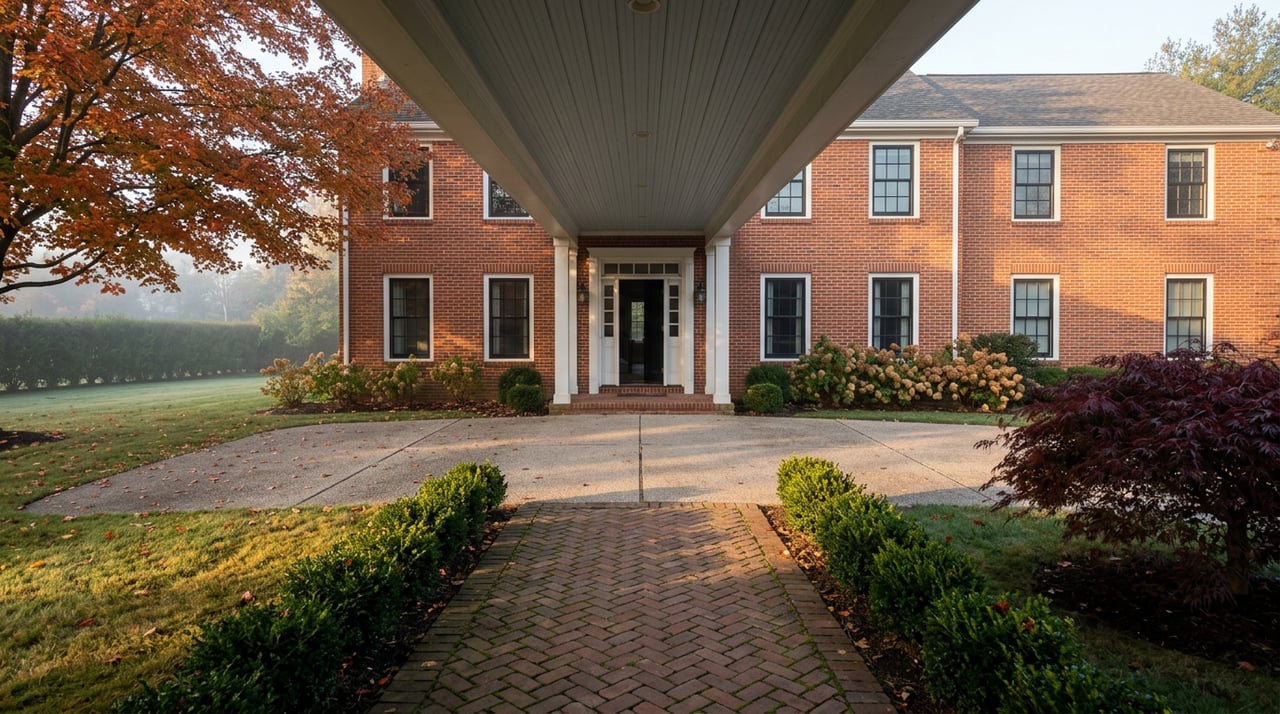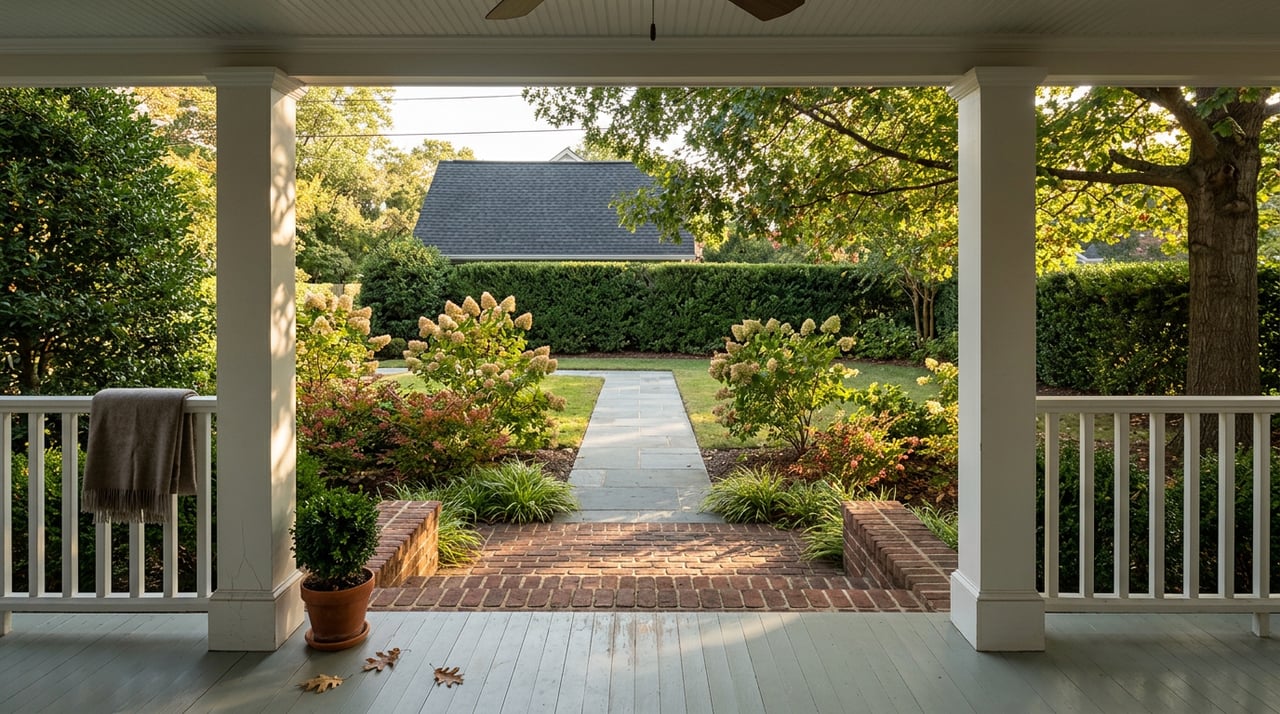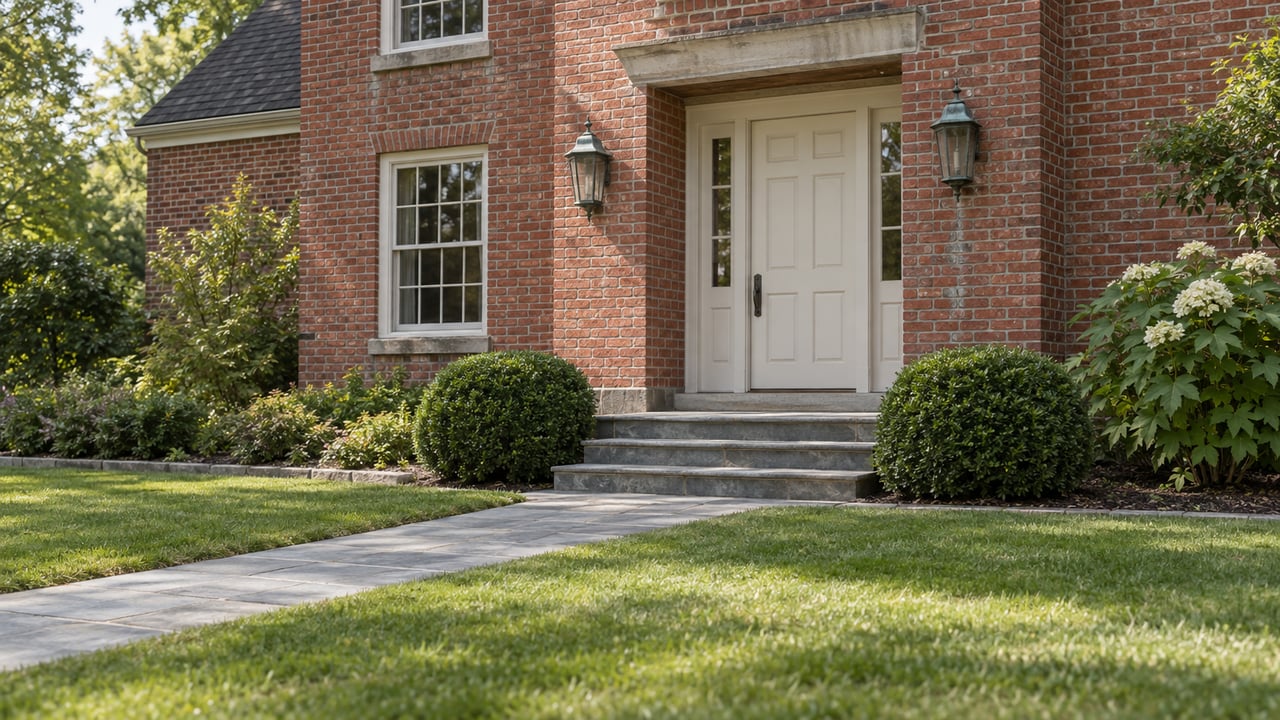
A few months ago, a Loudoun County builder started marketing a section of single-family homes in Brambleton as the last chance to buy new construction inside that community. Six-bedroom floor plans, walkout basements, backyards stretching past 10,000 square feet on lots more than 70 feet deep, full access to five community pools and 18-plus miles of paved trail. Attached to the listing was a rate as low as 3.99 percent on a 7/6 adjustable loan, good only for buyers who settled by an early-August deadline, plus closing cost assistance on top of it.
None of that shows up when you pull the county's median home price. And that gap is the actual story right now.
The number that isn't moving
Over the three months ending in August 2026, the median sale price for a home in Loudoun County sat at $767,000, up just 0.6 percent from a year earlier. Price per square foot actually slipped slightly, down about 0.7 percent year over year. Homes took a bit longer to sell, 43 days on average compared to 40 the year before, and fewer of them sold at all: 452 closed transactions in August 2026, down from 535 in August 2025.
Read on its own, that data describes a market cooling gently at the edges. Prices holding, not surging. Buyers taking a few extra days to commit. A modest pullback in volume.
What that number cannot tell you is what happened underneath it, because a median sale price only captures the number written on the settlement statement. It does not show you what a builder handed back to the buyer to get that number signed.
Where the real discount lives
Builder incentives rarely touch the sticker price. A community can advertise the same base price for months while quietly attaching tens of thousands of dollars in closing cost assistance, a rate buydown, or a builder-paid HOA capital contribution to make a specific unit move. The contract price stays flat. The buyer's actual cost does not.
This summer, that gap was wide open in more than one Loudoun community. Ashburn Station, a townhome and condo community built around walking distance to the Silver Line Metro, was advertising up to $30,000 in flex cash for buyers who used the builder's preferred lender and title company, with September 2026 delivery available on remaining end units priced from the mid $500,000s. The Brambleton offer paired a similar closing cost credit with that sub-4 percent introductory rate on an adjustable mortgage, a structure that resets to a variable rate once the initial fixed period ends, meaning the headline rate is a starting point rather than a guarantee for the life of the loan.
Meanwhile, two more Loudoun communities hadn't even opened for sale yet. Van Metre's Stone Ridge expansion in Aldie, near Byrnes Ridge Park, was taking interest-list signups ahead of an anticipated fall 2026 sales launch, with single-family homes and townhomes planned. A second Van Metre community in Aldie, Cerulean, was doing the same, without published pricing or floor plans as of late summer.
None of that activity moves the county median. It moves the buyer's actual monthly payment, and it does so in a way that a chart of closed sale prices will never capture.
Here's the practical version of that split, based on what was publicly advertised across Loudoun's new-construction communities this year:
| Community | Location | What was on offer |
|---|---|---|
| Brambleton (West Park IV) | Loudoun County | Final new single-family release in the community, closing cost assistance, sub-4% introductory ARM rate tied to a settlement deadline |
| Ashburn Station | Ashburn, near Silver Line | Townhomes and condos from the mid $500Ks, up to $30,000 in flex cash toward closing costs or rate buydown |
| Stone Ridge (new section) | Aldie | Single-family and townhomes, interest list open ahead of anticipated fall 2026 sales launch |
| Cerulean | Aldie | Single-family homes, interest list open, pricing not yet released |
A buyer comparing Brambleton's advertised base price to a resale listing three streets over is not comparing like to like. One number already has tens of thousands of dollars carved out of it before the ink dries.
What resale sellers are holding onto
Resale sellers in established Loudoun neighborhoods aren't offering $30,000 checks, and most of the time they don't need to. What they're selling instead is certainty.
A resale home in Brambleton, South Riding, or one of Ashburn's older sections typically closes in 30 to 45 days. A new construction contract, especially on a home that hasn't broken ground, can run 6 to 12 months from signing to keys, with weather delays, permitting backlogs, and material substitutions all sitting between the buyer and move-in day. Beyond timeline, resale carries a handful of advantages that a new build structurally can't match on day one:
- Lot position. The best lots in any new community, the ones backing to trees or sitting on a cul-de-sac, get sold first. What's left in a builder's final phase is often the least desirable ground in the section.
- Mature landscaping. Trees and established plantings take ten to twenty years to grow in. A new build starts with sod and saplings.
- Known quantities. An established HOA has a track record, a reserve fund history, and neighbors who've already lived through a few seasons together. A brand new community is still figuring out what it's going to be.
- No construction risk. What a resale buyer walks through is the finished product. What a new construction buyer signs for is a promise.
That's also why the competition is sharpest in exactly the places where new inventory is still landing. Brambleton's expansion areas, Stone Ridge's growth zones, and the newer developing sections of western Loudoun are where resale sellers feel builder pricing most directly, because they're pricing against a neighbor down the street offering a rate buydown their own listing can't match dollar for dollar.
How to actually compare the two
The honest way to compare a new construction listing to a resale option isn't to compare list prices at all. It's to ask the builder for a full breakdown of what an incentive is actually paying for. Is it a straight price reduction, a closing cost credit, or a temporary rate buydown that expires after a fixed period and reverts to a variable rate tied to the loan's adjustment schedule? Each of those behaves differently over a five or ten year hold, and only one of them, a genuine price cut, would ever show up in the kind of median sale price data that gets reported county-wide.
Pair that builder breakdown with a full monthly cost comparison on the resale side: purchase price, HOA dues, property taxes, insurance, and any near-term maintenance a home might need in its first few years of ownership versus what a brand new home's warranty covers. The community offering the biggest incentive on paper isn't automatically the better value once both sides are priced out in full.
Frequently asked questions
Does a builder incentive always lower the price a home sells for on paper? Not usually. Most incentives are structured as closing cost credits, HOA contributions, or rate buydowns rather than reductions to the contract price, which is why they don't typically show up in county-level median sale price statistics.
What happens when a 7/6 ARM's introductory rate period ends? The rate adjusts to a new level based on the loan's terms and the index it's tied to, which can move the payment up or down depending on where rates stand at the time of the first adjustment. A buyer taking one of these loans should understand the adjustment schedule before comparing the introductory rate to a resale home's fixed-rate financing.
Are these incentives available on every home in a community? No. Builders typically attach the deepest incentives to specific unsold units, often the ones with less desirable lots or later delivery dates, as a way to move remaining inventory before opening a new phase.
Comparing a builder's incentive sheet to a resale listing takes more than a glance at two prices side by side. If you're weighing new construction against an established Loudoun County home right now, Gurdeep Mangat can walk through both sides of the math with you, line by line, before you sign anything. Schedule a complimentary consultation to get started.